



Aware NI, Derry
Aware NI Contact Details


Address
15 Queen Street
Derry
County Londonderry
BT48 7EQ

About Aware NI
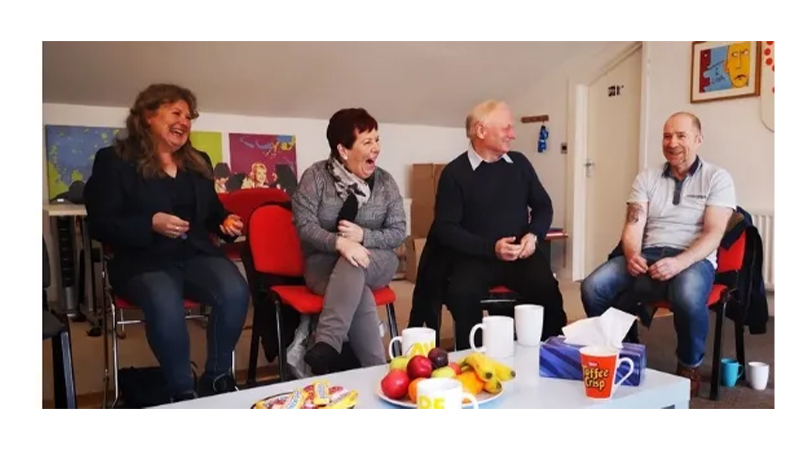
A Derry-born charity, we now have two offices: one in Derry/Londonderry and a second office in Belfast. AWARE NI has an established network of 24 support groups across the country alongside online support group options. Support groups welcome people with low mood, anxiety, depression and bipolar as well as carers for people with mental ill-health. We also deliver information outreach sessions and attend community events to give more information about AWARE and our services.
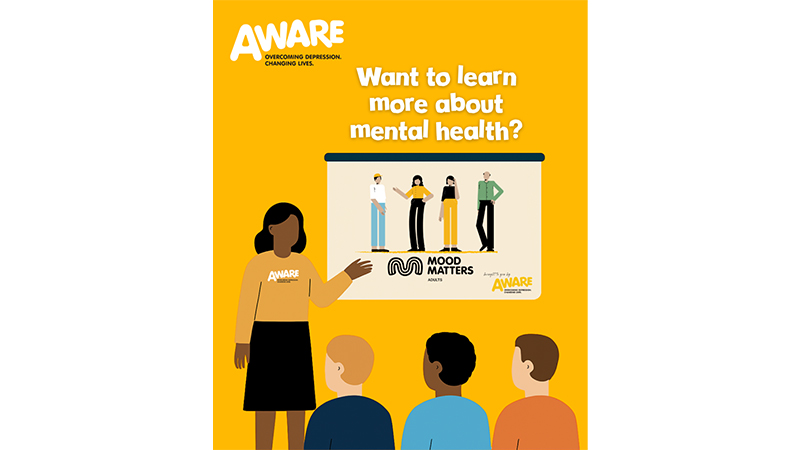
AWARE delivers mental health and well-being programmes into communities, schools, colleges, universities and workplaces. These programmes include our suite of Mood Matters programmes, Living Life to the Full, Mental Health First Aid, and Mindfulness.
Let's Talk About Depression
- Depression is a common mood disorder.
- There are lots of different factors which may cause depression, but sometimes there is no obvious reason.
- Symptoms may include low mood, lack of energy despite appropriate rest, loss of confidence, poor concentration and, in extreme situations, suicidal thoughts.
- Depression is a treatable illness. If you think that you or someone you care for may be affected, talk to your GP in the first instance.
Treatment
Treatment for depression may involve self-help, talking therapies and medication. Once a diagnosis has been made, your GP will talk you through the different options that might work for you. Some of these include:
Self-help and Looking After Your Mental Health
It is important to remember that many people can recover from depression through self-help alone. However, this may be initially difficult as you may lack the energy and motivation to do things that may help. Accordingly, your GP may discuss some self-help options with you that are appropriate to your circumstances and embark on a period of 'watchful waiting'. During this time, they will monitor your progress regularly.
Medication
Antidepressants are the most commonly prescribed and evidence-based medication for treating moderate/severe depression. They work by boosting certain brain chemicals that affect mood. It is essential to take them exactly as prescribed and only stop taking them when advised by your GP. You may need to try a few different types before finding one that works for you.
You should tell your GP as soon as possible if you experience side effects from antidepressants, even if they disappear or are tolerable. Antidepressants can also react with other medications, but your GP will talk you through this. A standard course of antidepressant medication can last for at least six months after recovery.
Let's Talk About Anxiety
- Anxiety is normal - our brains are wired to be alert to danger.
- Feelings of anxiety can help us prepare, focus and protect ourselves.
- However, where these feelings persist and disrupt your daily life, they can be harmful and may indicate that you have an anxiety disorder.
- Symptoms can include dizziness, sweating, shortness of breath, palpitations, nausea, indecisiveness, irritability, distress and avoidance of situations or places.
- There are many treatment options available. Always speak to your GP in the first instance.
Let's Talk About Bipolar
Bipolar is a mood disorder involving periods of depression alternated with periods of mania. Symptoms of depression include feeling sad, lack of energy despite appropriate rest, low self-esteem and suicidal thoughts.
Symptoms of mania include increased energy, impulsive behaviour, racing thoughts, agitation etc.
Bipolar is commonly treated with a mixture of medication, self-help and talking therapies.
Helping Someone Else
If a friend, family member, or someone else you care for has a mental illness, you may at times feel hopeless and helpless.
Wellbeing Programmes
We deliver educational mental health and wellbeing programmes into communities, schools, colleges and workplace settings across Northern Ireland.
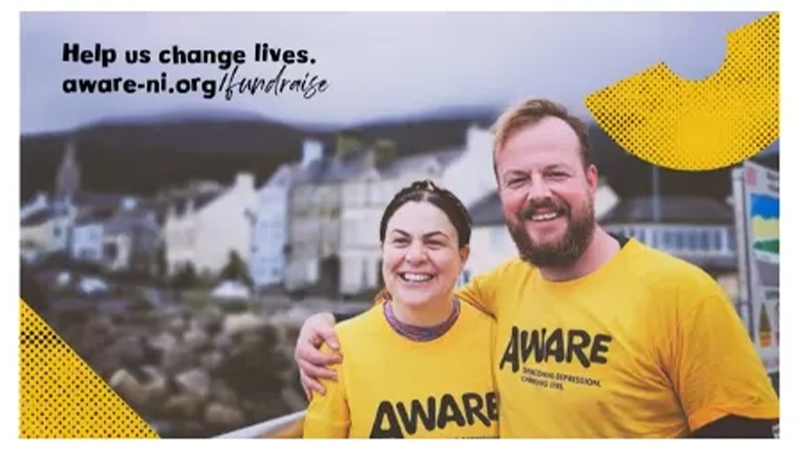
Fundraising For AWARE
Aware NI Gallery







Location Map of Aware NI
Aware NI Branches
-









 Latest Northern Ireland NewsSir John Gillen Asks Public To Share Their PerspectivesCity Of Bones Welcoming International Visitors On Landmark YearCity Hall Event Announced For Saturday 14 November