


30/07/2026
Record Mosquito Numbers In Northern Ireland
Queen's University Belfast has recorded unprecedented mosquito activity across Northern Ireland this summer, with steady public reports via MosquitoNI helping to pinpoint nuisance species and local hotspots such as Ballykelly.
Researchers from the School of Biological Sciences are conducting systematic surveys across a range of urban and rural habitats. In Ballykelly, Limavady—an area previously highlighted for nuisance biting—the team identified wetlands, including shore salt marsh, as likely breeding grounds. A short survey showed mosquitoes moving from the marsh into other parts of the village, such as nearby woodlands, to bite.
While mosquitoes are part of the natural ecosystem, they can pose health risks. Vector-borne diseases cause more than 700,000 deaths globally each year, with mosquitoes responsible for the greatest share. Environmental degradation linked to urbanisation, agricultural intensification and climate change, along with invasive species, is shifting the distribution, abundance and behaviour of vector mosquitoes and their viruses, elevating pathogen risks.
To improve regional knowledge and preparedness, Queen's launched MosquitoNI earlier this year—the first public mosquito reporting system in the country. Since then, consistent engagement from residents has enabled the identification of nuisance locations and species.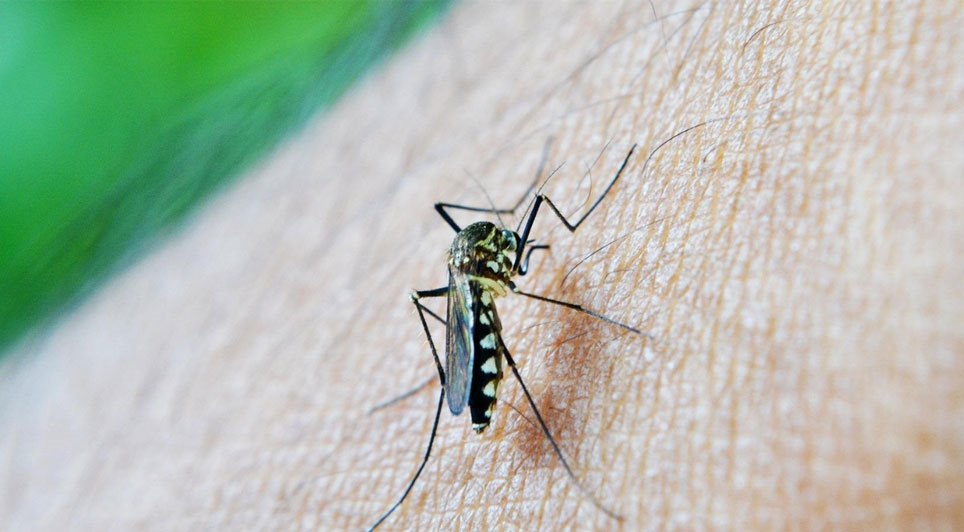 Commenting on the importance of the scheme, Dr Ross Cuthbert from the School of Biological Sciences at Queen's said: "Unfortunately, it is just physically impossible for us monitor everywhere in NI for potential nuisance species. So, the information we gather from MosquitoNI is extremely valuable to inform our sampling and understandings. We have recently reactively sampled apparent 'hotspot' sites, such as Ballykelly, and we would urge people to continue to use the reporting system to allow us to determine additional areas of activity."
Although no mosquito-borne diseases have been detected on the island of Ireland, the team's collections include species known to transmit diseases elsewhere, underscoring overlooked risks in Northern Ireland.
Ross added: "Mosquitoes are generally overlooked here, and in many other temperate areas worldwide. The cooler climate on the island of Ireland has been traditionally thought to limit mosquito abundance and stifle disease risk. However, previous research at Queen's found surprisingly high numbers of mosquitoes across NI. Last year, thousands of mosquitoes were collected in specialised traps set around various wetlands and urban sites where mosquitoes breed. So far, around 20 different species have been found across the island of Ireland."
The researchers are again sampling widely across Northern Ireland in 2026 and have already collected thousands of adult and larval mosquitoes, while uncovering new potential species for the region.
They are calling for continued public support to extend geographic coverage and fill blind spots. By reporting sightings and uploading photographs, residents can help identify potential hotspots, map species distribution and boost local involvement.
More information, including how to submit reports, is available at www.mosquitoni.com.
Researchers from the School of Biological Sciences are conducting systematic surveys across a range of urban and rural habitats. In Ballykelly, Limavady—an area previously highlighted for nuisance biting—the team identified wetlands, including shore salt marsh, as likely breeding grounds. A short survey showed mosquitoes moving from the marsh into other parts of the village, such as nearby woodlands, to bite.
While mosquitoes are part of the natural ecosystem, they can pose health risks. Vector-borne diseases cause more than 700,000 deaths globally each year, with mosquitoes responsible for the greatest share. Environmental degradation linked to urbanisation, agricultural intensification and climate change, along with invasive species, is shifting the distribution, abundance and behaviour of vector mosquitoes and their viruses, elevating pathogen risks.
To improve regional knowledge and preparedness, Queen's launched MosquitoNI earlier this year—the first public mosquito reporting system in the country. Since then, consistent engagement from residents has enabled the identification of nuisance locations and species.
Although no mosquito-borne diseases have been detected on the island of Ireland, the team's collections include species known to transmit diseases elsewhere, underscoring overlooked risks in Northern Ireland.
Ross added: "Mosquitoes are generally overlooked here, and in many other temperate areas worldwide. The cooler climate on the island of Ireland has been traditionally thought to limit mosquito abundance and stifle disease risk. However, previous research at Queen's found surprisingly high numbers of mosquitoes across NI. Last year, thousands of mosquitoes were collected in specialised traps set around various wetlands and urban sites where mosquitoes breed. So far, around 20 different species have been found across the island of Ireland."
The researchers are again sampling widely across Northern Ireland in 2026 and have already collected thousands of adult and larval mosquitoes, while uncovering new potential species for the region.
They are calling for continued public support to extend geographic coverage and fill blind spots. By reporting sightings and uploading photographs, residents can help identify potential hotspots, map species distribution and boost local involvement.
More information, including how to submit reports, is available at www.mosquitoni.com.
Related Northern Ireland News Stories
Click here for the latest headlines.
10 April 2006
Governments launch project to repel invaders
Government conservation experts have unveiled plans to repel invasive species of animals and plants from Ireland.
Governments launch project to repel invaders
Government conservation experts have unveiled plans to repel invasive species of animals and plants from Ireland.
09 June 2014
NI Forests In Woodland Trust Restoration
Northern Ireland's forests could be set to benefit from a 52,000 hectare restoration of damaged woodland across the UK, following a £1.9m boost from the Heritage Lottery Fund to the Woodland Trust. The Woodland Trust project will see the restoration of woodland across 10 priority areas across the UK, including Northern Ireland.
NI Forests In Woodland Trust Restoration
Northern Ireland's forests could be set to benefit from a 52,000 hectare restoration of damaged woodland across the UK, following a £1.9m boost from the Heritage Lottery Fund to the Woodland Trust. The Woodland Trust project will see the restoration of woodland across 10 priority areas across the UK, including Northern Ireland.
12 August 2013
600 Wildlife Experts Flock To Queen's
Ireland's native small mammals will die out in at least 80% of available habitat, unless both governments address the problem of invasive alien species. This is just one of the themes being discussed in Belfast this week, as 600 leading wildlife experts arrive at Queen's University for the 11th International Mammalogical Congress (IMC11).
600 Wildlife Experts Flock To Queen's
Ireland's native small mammals will die out in at least 80% of available habitat, unless both governments address the problem of invasive alien species. This is just one of the themes being discussed in Belfast this week, as 600 leading wildlife experts arrive at Queen's University for the 11th International Mammalogical Congress (IMC11).
15 April 2021
Puffins, Swifts And Kestrels Move To Red List
Puffins, swifts and kestrels are among 23 birds that have been moved on to the Red list across Ireland, according to a new study. The 'Birds of Conservation Concern in Ireland (BoCCI) 2020-2026' review is jointly compiled by RSPB NI and BirdWatch Ireland.
Puffins, Swifts And Kestrels Move To Red List
Puffins, swifts and kestrels are among 23 birds that have been moved on to the Red list across Ireland, according to a new study. The 'Birds of Conservation Concern in Ireland (BoCCI) 2020-2026' review is jointly compiled by RSPB NI and BirdWatch Ireland.
21 February 2012
Irish Mammals Under Serious Threat
Some of Ireland’s oldest inhabitants are facing serious threat and possible extinction because of foreign species, according to researchers at Queen’s University. The red squirrel, Irish hare and red deer are just some of Ireland’s indigenous species which are under threat as a result of the introduction of foreign species.
Irish Mammals Under Serious Threat
Some of Ireland’s oldest inhabitants are facing serious threat and possible extinction because of foreign species, according to researchers at Queen’s University. The red squirrel, Irish hare and red deer are just some of Ireland’s indigenous species which are under threat as a result of the introduction of foreign species.
-




 Northern Ireland WeatherThis Evening and Tonight:This evening will be cloudy and mainly dry. Then the rest of the night will remain cloudy with patchy rain or drizzle, mainly across the west. Minimum temperature 14 °C.