


09/11/2026
Workplace Mental Health in Northern Ireland
Workplace mental health is becoming an increasingly important issue for businesses across Northern Ireland, with recent research revealing the scale of work-related stress, anxiety and depression and the significant impact on employees and organisations.
From small family businesses to large employers, maintaining a mentally healthy workplace is no longer simply a matter of good practice. It is an important part of protecting employees, reducing avoidable absence and supporting a productive workforce.
Recent statistics from Northern Ireland's health and safety regulator and employment researchers highlight why employers should be taking the issue seriously.
Thousands of Northern Ireland Workers Affected by Work Related Stress
According to the Health and Safety Executive for Northern Ireland (HSENI), an estimated 14,000 people in Northern Ireland experienced stress, depression or anxiety caused or made worse by work during 2024/25.
The regulator also estimates that approximately 660,000 working days were lost to work-related illness of all types during the same period.
The financial impact extends beyond individual businesses. HSENI estimates that work-related ill health, including both physical and mental health conditions, cost Northern Ireland society more than £447 million in 2023/24.
These figures underline the importance of preventing workplace health problems before they develop into more serious conditions.
Mental Health Accounts for More Than 40 Percent of Civil Service Sickness Absence Days
The latest figures from the Northern Ireland Statistics and Research Agency (NISRA) provide further evidence of the impact of poor mental health on working life.
Its 2025/26 Northern Ireland Civil Service sickness absence report, published in August 2026, found that anxiety, stress, depression and other psychiatric illnesses accounted for 43.6% of all working days lost to sickness absence.
Within this mental-health-related illness category, 32.8% of the days lost were specifically recorded as work-related stress.
Although these figures relate to the Northern Ireland Civil Service rather than the entire workforce, they demonstrate the substantial contribution that mental health conditions make to long-term absence.
For employers, the consequences can include increased pressure on remaining staff, reduced productivity, recruitment difficulties and additional operational costs.
For affected employees, the impact can be far more personal, influencing their confidence, relationships, physical health and quality of life.
One in Four Employees Reports a Negative Mental Health Impact from Work
Research from the Chartered Institute of Personnel and Development (CIPD) paints a similarly concerning picture.
Its Northern Ireland Good Work Index research found that approximately 25% of employees reported that work negatively affected their mental health.
The CIPD's October 2025 analysis also highlighted that one in five employees reported being always or often under excessive pressure at work.
Earlier Northern Ireland research, based on a survey of 499 workers in 2024, found that 67% reported feeling exhausted at work, while 28% considered their workload excessive.
Together, the findings suggest that employers need to look beyond sickness absence figures and consider how everyday working conditions affect their employees.
Excessive workloads, poor communication, limited support, workplace conflict and a lack of control over working arrangements can all contribute to unhealthy levels of stress.
Why Workplace Mental Health Matters to Business Performance
The commercial case for supporting employee wellbeing is also substantial.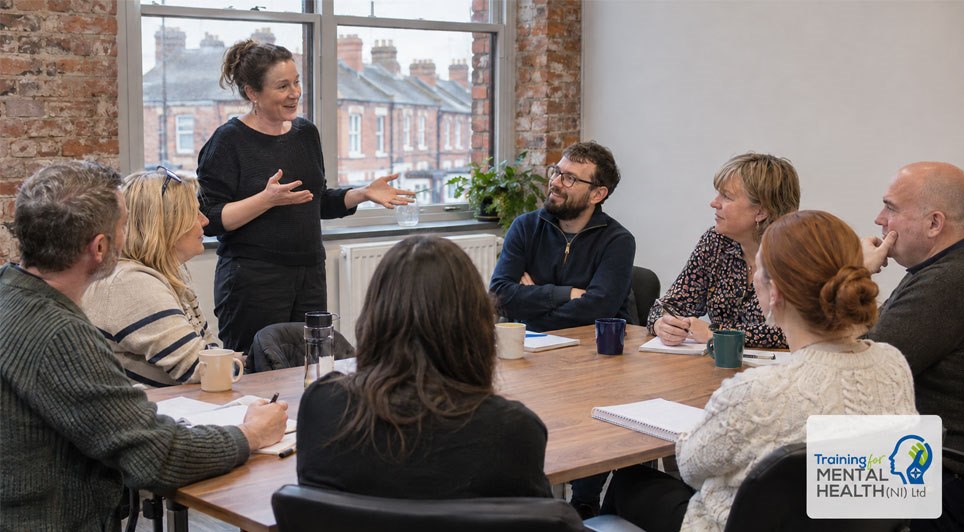 A 2024 report from Deloitte estimated that poor employee mental health costs UK employers approximately £51 billion annually through sickness absence, reduced performance while at work and staff turnover.
The same research reviewed 26 studies of workplace mental health interventions and estimated an average return of approximately £4.70 for every £1 invested in employee mental health support.
While individual results will vary, the findings suggest that effective mental health initiatives can offer benefits for both employees and employers.
Investing in workplace mental health should therefore be viewed as more than an additional staff benefit. It can form part of a wider strategy to improve employee retention, reduce avoidable absences and create a healthier working environment.
The Importance of Mental Health Awareness and Training
One of the challenges facing employers is recognising when a colleague may be struggling.
Mental health difficulties are not always immediately visible. Changes in behaviour, withdrawal from colleagues, difficulty concentrating, increased absence or unusual irritability may indicate that someone needs additional support.
However, managers and colleagues may feel uncertain about how to approach sensitive conversations. This is where appropriate workplace mental health training can play an important role.
Training can help employees and managers:
• Recognise possible signs of mental ill-health.
• Understand common conditions, including anxiety and depression.
• Approach sensitive conversations with greater confidence.
• Respond appropriately when a colleague is experiencing difficulties.
• Understand the importance of confidentiality and personal boundaries.
• Signpost individuals towards appropriate professional support.
Importantly, training is not intended to turn employees into therapists or replace professional healthcare. Its purpose is to improve understanding, reduce stigma and help people respond appropriately when support may be needed.
Taking Practical Action in Northern Ireland Workplaces
In August 2026, the CIPD and mental health charity Mind published updated guidance encouraging employers to focus on prevention, early intervention and practical support for employees experiencing mental health difficulties.
Employers should consider the underlying causes of workplace stress, including workload, management practices and organisational culture.
Northern Ireland employers also have duties to assess and manage risks to employees' mental health arising from work activities.
Providing mental health awareness training can complement these responsibilities, helping organisations create an environment where employees feel more comfortable discussing difficulties and seeking support.
Training For Mental Health (NI) Ltd, based in Antrim, provides mental health awareness and first aid training for organisations throughout Northern Ireland, including Belfast.
Its training options include introductory awareness sessions and more comprehensive courses designed to help participants recognise potential mental health difficulties, develop supportive communication skills and understand how to direct someone towards appropriate assistance.
Businesses interested in improving staff awareness and creating a more supportive working environment can explore mental health first aid training in Northern Ireland through Training For Mental Health (NI) Ltd.
Creating Healthier Workplaces for the Future
The latest statistics demonstrate that workplace mental health is not an issue businesses can afford to overlook.
Behind every absence figure is an individual who may be experiencing significant personal challenges, while colleagues and employers can also feel the effects.
Creating a mentally healthy workplace requires more than a written policy or an occasional wellbeing initiative.
It involves listening to employees, identifying and addressing workplace pressures, ensuring managers have appropriate skills and making meaningful support available.
For Northern Ireland employers, taking these steps today could help build healthier, more resilient and more productive workplaces for years to come.
Illustrative image created for this article, not a photograph of an actual training session.
From small family businesses to large employers, maintaining a mentally healthy workplace is no longer simply a matter of good practice. It is an important part of protecting employees, reducing avoidable absence and supporting a productive workforce.
Recent statistics from Northern Ireland's health and safety regulator and employment researchers highlight why employers should be taking the issue seriously.
Thousands of Northern Ireland Workers Affected by Work Related Stress
According to the Health and Safety Executive for Northern Ireland (HSENI), an estimated 14,000 people in Northern Ireland experienced stress, depression or anxiety caused or made worse by work during 2024/25.
The regulator also estimates that approximately 660,000 working days were lost to work-related illness of all types during the same period.
The financial impact extends beyond individual businesses. HSENI estimates that work-related ill health, including both physical and mental health conditions, cost Northern Ireland society more than £447 million in 2023/24.
These figures underline the importance of preventing workplace health problems before they develop into more serious conditions.
Mental Health Accounts for More Than 40 Percent of Civil Service Sickness Absence Days
The latest figures from the Northern Ireland Statistics and Research Agency (NISRA) provide further evidence of the impact of poor mental health on working life.
Its 2025/26 Northern Ireland Civil Service sickness absence report, published in August 2026, found that anxiety, stress, depression and other psychiatric illnesses accounted for 43.6% of all working days lost to sickness absence.
Within this mental-health-related illness category, 32.8% of the days lost were specifically recorded as work-related stress.
Although these figures relate to the Northern Ireland Civil Service rather than the entire workforce, they demonstrate the substantial contribution that mental health conditions make to long-term absence.
For employers, the consequences can include increased pressure on remaining staff, reduced productivity, recruitment difficulties and additional operational costs.
For affected employees, the impact can be far more personal, influencing their confidence, relationships, physical health and quality of life.
One in Four Employees Reports a Negative Mental Health Impact from Work
Research from the Chartered Institute of Personnel and Development (CIPD) paints a similarly concerning picture.
Its Northern Ireland Good Work Index research found that approximately 25% of employees reported that work negatively affected their mental health.
The CIPD's October 2025 analysis also highlighted that one in five employees reported being always or often under excessive pressure at work.
Earlier Northern Ireland research, based on a survey of 499 workers in 2024, found that 67% reported feeling exhausted at work, while 28% considered their workload excessive.
Together, the findings suggest that employers need to look beyond sickness absence figures and consider how everyday working conditions affect their employees.
Excessive workloads, poor communication, limited support, workplace conflict and a lack of control over working arrangements can all contribute to unhealthy levels of stress.
Why Workplace Mental Health Matters to Business Performance
The commercial case for supporting employee wellbeing is also substantial.
The same research reviewed 26 studies of workplace mental health interventions and estimated an average return of approximately £4.70 for every £1 invested in employee mental health support.
While individual results will vary, the findings suggest that effective mental health initiatives can offer benefits for both employees and employers.
Investing in workplace mental health should therefore be viewed as more than an additional staff benefit. It can form part of a wider strategy to improve employee retention, reduce avoidable absences and create a healthier working environment.
The Importance of Mental Health Awareness and Training
One of the challenges facing employers is recognising when a colleague may be struggling.
Mental health difficulties are not always immediately visible. Changes in behaviour, withdrawal from colleagues, difficulty concentrating, increased absence or unusual irritability may indicate that someone needs additional support.
However, managers and colleagues may feel uncertain about how to approach sensitive conversations. This is where appropriate workplace mental health training can play an important role.
Training can help employees and managers:
• Recognise possible signs of mental ill-health.
• Understand common conditions, including anxiety and depression.
• Approach sensitive conversations with greater confidence.
• Respond appropriately when a colleague is experiencing difficulties.
• Understand the importance of confidentiality and personal boundaries.
• Signpost individuals towards appropriate professional support.
Importantly, training is not intended to turn employees into therapists or replace professional healthcare. Its purpose is to improve understanding, reduce stigma and help people respond appropriately when support may be needed.
Taking Practical Action in Northern Ireland Workplaces
In August 2026, the CIPD and mental health charity Mind published updated guidance encouraging employers to focus on prevention, early intervention and practical support for employees experiencing mental health difficulties.
Employers should consider the underlying causes of workplace stress, including workload, management practices and organisational culture.
Northern Ireland employers also have duties to assess and manage risks to employees' mental health arising from work activities.
Providing mental health awareness training can complement these responsibilities, helping organisations create an environment where employees feel more comfortable discussing difficulties and seeking support.
Training For Mental Health (NI) Ltd, based in Antrim, provides mental health awareness and first aid training for organisations throughout Northern Ireland, including Belfast.
Its training options include introductory awareness sessions and more comprehensive courses designed to help participants recognise potential mental health difficulties, develop supportive communication skills and understand how to direct someone towards appropriate assistance.
Businesses interested in improving staff awareness and creating a more supportive working environment can explore mental health first aid training in Northern Ireland through Training For Mental Health (NI) Ltd.
Creating Healthier Workplaces for the Future
The latest statistics demonstrate that workplace mental health is not an issue businesses can afford to overlook.
Behind every absence figure is an individual who may be experiencing significant personal challenges, while colleagues and employers can also feel the effects.
Creating a mentally healthy workplace requires more than a written policy or an occasional wellbeing initiative.
It involves listening to employees, identifying and addressing workplace pressures, ensuring managers have appropriate skills and making meaningful support available.
For Northern Ireland employers, taking these steps today could help build healthier, more resilient and more productive workplaces for years to come.
Illustrative image created for this article, not a photograph of an actual training session.
Latest Northern Ireland Business News
09 November 2026
Workplace Mental Health in Northern Ireland
Workplace mental health is becoming an increasingly important issue for businesses across Northern Ireland, with recent research revealing the scale of work-related stress, anxiety and depression and the significant impact on employees and organisations.
Workplace Mental Health in Northern Ireland
Workplace mental health is becoming an increasingly important issue for businesses across Northern Ireland, with recent research revealing the scale of work-related stress, anxiety and depression and the significant impact on employees and organisations.
02 November 2026
NI Gas Networks Welcome Biomethane Consultation And Call For Responses
Northern Ireland’s gas distribution network operators Evolve, Kinecx Energy and Phoenix Energy have welcomed the launch of the Biomethane Strategy and Policy Framework consultation, urging businesses, farmers, community groups and the wider public to submit views before 15 December.
26 October 2026
HMRC Urges Early Self Assessment Filings
HM Revenue and Customs (HMRC) is encouraging millions of taxpayers to file early rather than wait for the January rush. The filing deadline for online Self Assessment tax returns for the 2025 to 2026 tax year is 31 January 2027, with around 12 million people expected to submit a return.
22 October 2026
House Prices Rise 11% in Fermanagh and Omagh – What Does This Mean for Local Homeowners?
House prices across Fermanagh and Omagh have risen by 11% over the past year, outperforming the Northern Ireland average and potentially giving local homeowners fresh reasons to consider the value of their property.
19 October 2026
Households And Businesses Urged To Prepare For Analogue Phone Switch-Off
People and organisations across Northern Ireland are being asked to review their phone and broadband set-ups as the UK's old analogue telephone network nears retirement. With under 15 weeks to go until the 31 January 2027 deadline, around 35,000 customers in Northern Ireland still need to move off the legacy copper-based service.
12 October 2026
Young Talent To Shape Work At NI Chamber Future Workforce Summit
Event will explore how 16–24-year-olds are set to transform the workplace and what Northern Ireland's businesses should do to prepare. NI Chamber's 2026 Future Workforce Summit, taking place on Thursday 15 October, will bring together employers, educators and policymakers to consider how the next generation will influence the world of work.
05 October 2026
Enterprise Ireland Announces 2026 HPSU Founder Of The Year Shortlist
Enterprise Ireland has unveiled the High Potential Start-Up (HPSU) Founder of the Year Award 2026, with the overall winner to be announced at a ceremony on Thursday, 15 October 2026 at Salesforce Tower in Dublin.
Enterprise Ireland Announces 2026 HPSU Founder Of The Year Shortlist
Enterprise Ireland has unveiled the High Potential Start-Up (HPSU) Founder of the Year Award 2026, with the overall winner to be announced at a ceremony on Thursday, 15 October 2026 at Salesforce Tower in Dublin.
28 September 2026
InterTradeIreland To Unite SMEs At Trade Connects 2026 For All-Island Opportunities
With cross-border trade at a record €17.24 billion/£14.6 billion, InterTradeIreland is convening businesses this autumn to explore routes to growth through the all-island market.
InterTradeIreland To Unite SMEs At Trade Connects 2026 For All-Island Opportunities
With cross-border trade at a record €17.24 billion/£14.6 billion, InterTradeIreland is convening businesses this autumn to explore routes to growth through the all-island market.
23 September 2026
Stairlift Solutions Opens New Maydown Showroom to Serve the North West
Stairlift Solutions has officially opened a new stairlift and mobility showroom in Maydown, Derry, extending its product range and advisory services to customers across the North West.
Stairlift Solutions Opens New Maydown Showroom to Serve the North West
Stairlift Solutions has officially opened a new stairlift and mobility showroom in Maydown, Derry, extending its product range and advisory services to customers across the North West.
21 September 2026
How NI Couples Are Reinventing Wedding Entertainment
When Aoife and Ryan sat down to plan the reception for their big day at a country house hotel outside Ballymena, they made an early decision that surprised both sets of parents. The disco could wait. What they really wanted, they said, was a room where guests of every age could mingle, laugh, and try their luck at something a little different.
-




 Northern Ireland WeatherToday:Quite extensive and thick fog to start may be quite slow to clear in the morning. Otherwise a mostly dry day with variable cloud and bright or sunny spells. The odd shower possible for Down and Antrim in the morning. Maximum temperature 11 °C.Tonight:It will stay dry through the evening and overnight with variable cloud and some clear spells. Chance of the odd fog patch possible, but much less extensive than Monday morning. Minimum temperature 0 °C.